What does a power distribution designer do?
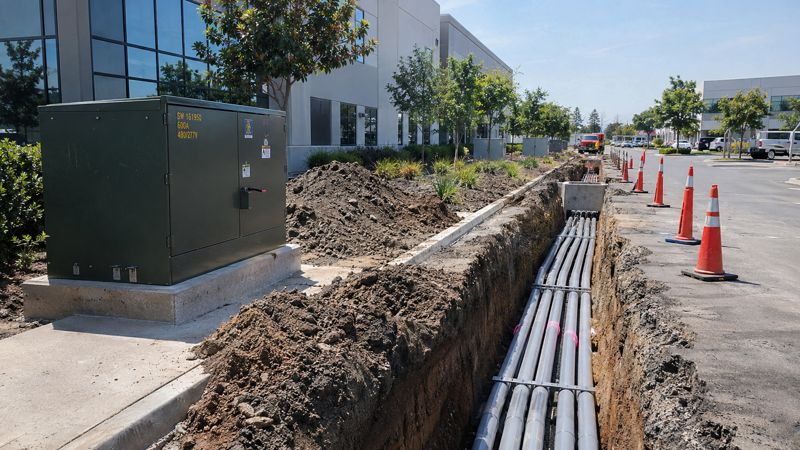
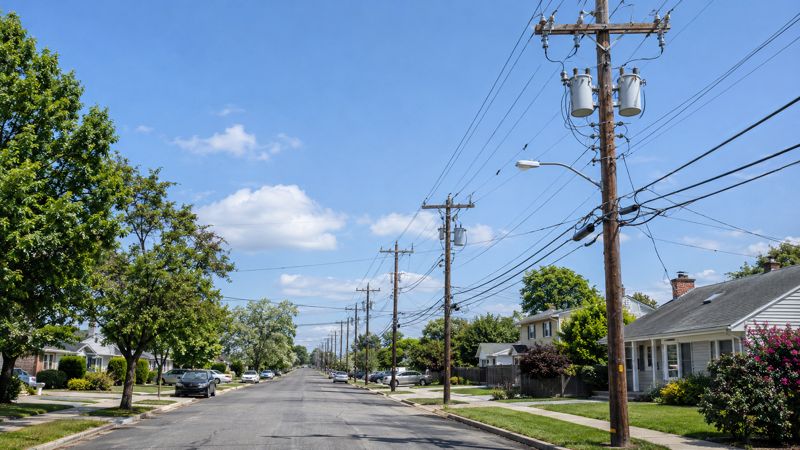
A power distribution designer plans the overhead and underground facilities that carry electricity from substations to homes and businesses — poles, conductors, transformers, conduit, vaults, and service connections. Designers prepare the drawings, material lists, and work-order packages that line crews build from, while meeting utility standards and safety codes such as the NESC.
Do I need prior experience or an engineering degree?
No. The program starts with distribution system fundamentals and builds up to complete design packages. Comfort with basic math and computers is all you need to begin. Experienced line workers, drafters, and engineering technicians use the courses to move into design roles.
Is the training online and self-paced?
Yes. Each course is 12 weeks of short daily lessons — about an hour a day, five days a week — but you set the pace. Everything runs in your web browser, and your progress and notes are saved to your account automatically for the full 12 months of your license.
What do I need to run the 3D simulator?
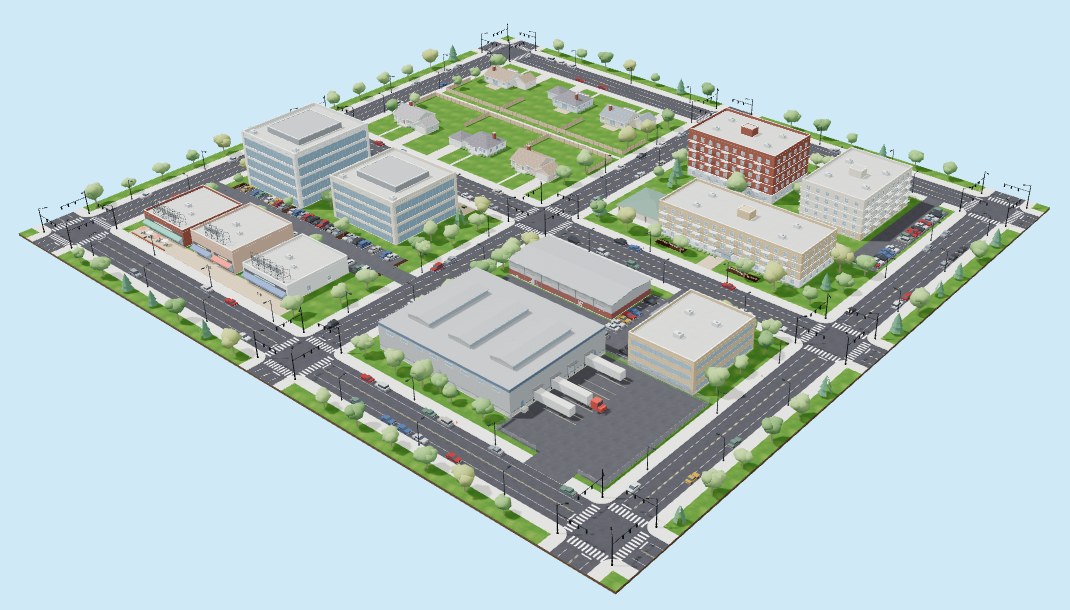
A recent desktop, laptop, or iPad with an up-to-date version of Chrome, Edge, Safari, or Firefox (WebGL 2) and an internet connection. No software installation is required. Tablets are the simulator's reference device.
Should I take the Underground or the Overhead course first?
Either course stands on its own. Choose the one that matches the work you want to do, or get the Complete Program to train in both — most utilities and contractors value designers who can handle overhead and underground projects.
Can my company enroll a team?
Yes, and your company can get a 20% discount by purchasing 10 or more licenses. Your administrator creates an account, then invites employees by email, manages seats, and can see each member's course progress from the organization dashboard. We also build custom training — courses, simulator, and tools tailored to your standards — contact us for pricing.